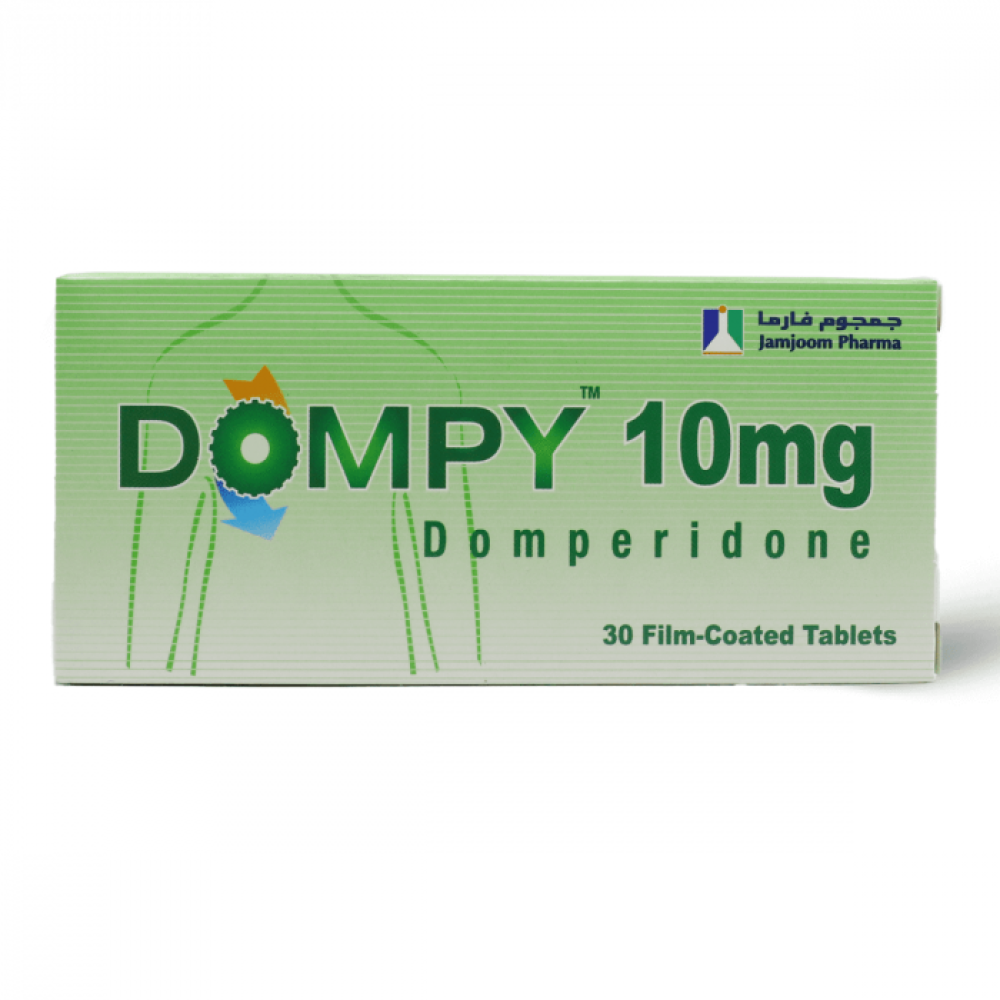
Why is Domperidone used?
- Domperidone is used to treat nausea and vomiting in adults and teenagers.
Do not take domperidone:
- If you are allergic to the active ingredients or any of the other ingredients of this medicine
- If you have a pituitary tumor (prolactinoma)
- If you have a blockage or tear in your intestines
- If you have black stools or notice blood in your stool.
- If you have moderate or severe liver disease.
- If you have a heart problem called long QT interval.
- If you have heart failure.
Warnings and Precautions:
- Tell your doctor about all your health conditions, including:
- If you have liver problems.
- If you have kidney problems.
- This medicine may increase the risk of heart rhythm problems.
Possible side effects:
- Stop using this product and seek immediate medical attention if you develop a rash; itching; red, blistered, or peeling skin; tightness in the chest or throat; difficulty breathing, swallowing, or speaking; unusual hoarseness; or swelling of the mouth, face, lips, tongue, or throat.
- The frequency with which these side effects occur is unknown.
Serious side effects:
- uncontrollable movements
- epilepsy
- very fast or unusual heartbeat
- Talk to your doctor if you experience these.
Other medicines and domperidone:
- Tell your doctor about all the medicines you take, especially:
- antifungals
- antibiotics
- HIV medications
- Medications that affect your heartbeat
- blood pressure medications
- Medications for mental health problems
How to take domperidone:
- This medicine is intended for adults and children 12 years and older who weigh at least 35 kg.
- Take this medicine as directed by your doctor.
- Take the tablets 15 to 30 minutes before meals.
- The usual dose is 10 mg (one tablet or 10 ml) 3 times daily.
How to store domperidone:
- Store at room temperature 68 to 77°F (20 to 25°C).
- Keep this medicine out of reach of children.
- Do not use this medicine after the expiry date printed on the carton.
*The form and method of administration of Domperidone 30 mg suppositories and 1 mg/ml syrup should be determined according to the therapeutic indication and severity of the disease for each individual patient.